Tres Leches Cake: A Dessert That’s Milked Its Fame for All It’s Worth
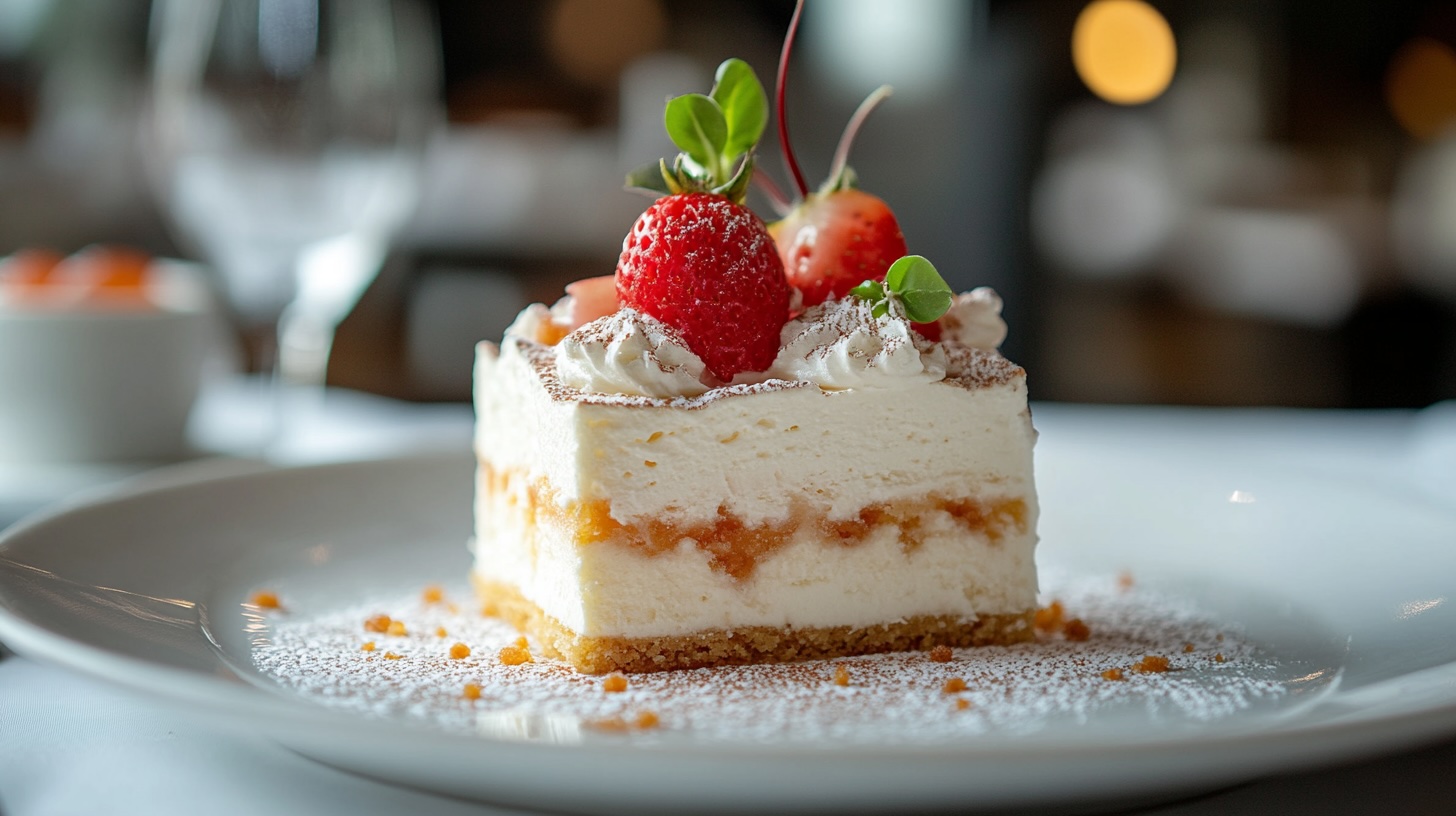
Tres Leches Cake: The Sponge That Took a Milk Bath and Became a Legend
Tres leches cake is the dessert equivalent of someone saying, “I’ll just have a little something light,” then returning with a slice soaked in three kinds of milk, crowned with cream, and somehow still claiming innocence. It looks gentle. It tastes comforting. Then, one forkful in, it becomes obvious that this is no ordinary sponge cake. This is cake after a spa treatment, a baptism, and a very enthusiastic dairy convention.
The name means “three milks” in Spanish, and that is exactly the point. A light sponge cake is baked, pierced all over, and drenched with a mixture usually made from evaporated milk, condensed milk, and whole milk or cream. The result is soft, moist, sweet, creamy, and oddly elegant. A good tres leches cake should not collapse into pudding, but it should absolutely make you question why so many other cakes are walking around so dry and confident.
A Cake with Many Passports
Tres leches cake is strongly associated with Latin America, especially Mexico, Nicaragua, Guatemala, Costa Rica, Puerto Rico, Cuba, and other parts of Central and South America. Like many beloved foods, its exact birthplace is disputed with the politeness of a family argument at a wedding. Everyone has a claim, everyone has a memory, and someone’s grandmother definitely made the best version.
One popular theory links the cake’s rise to the wider availability of canned milk in the early twentieth century. Evaporated milk and condensed milk were pantry miracles before refrigeration became ordinary. They travelled well, lasted longer, and made desserts richer without needing fresh cream every five minutes. Food companies helped spread recipes using these products, and somewhere along the way the soaked sponge cake became a household favourite across Latin America.
Yet soaked cakes themselves are much older. Europe has long had desserts drenched in syrups, creams, wines, or liqueurs. Think of rum baba, trifle, tiramisu, or various syrup-soaked cakes from the Mediterranean and beyond. Tres leches feels connected to that tradition, though it developed its own personality. It is less boozy than baba, less layered than trifle, and far less interested in espresso than tiramisu. It simply says, “Milk, please,” and then says it twice more for emphasis.
Why Tres Leches Feels So Special
The magic of tres leches cake lies in contrast. The sponge is airy enough to absorb the milk mixture without becoming heavy. Meanwhile, the topping brings freshness and softness, especially when made with lightly whipped cream. The cake is chilled before serving, which gives it that wonderful cool texture. It is sweet, but not aggressively so when made well. The best versions have a gentle dairy richness rather than a sugar rush that leaves you blinking at the ceiling.
There is also something beautifully theatrical about the method. You bake what looks like a perfectly respectable sponge, then stab it repeatedly with a skewer and pour milk all over it. In any other context, this would look like sabotage. In baking, it is genius.
Tres leches cake also has a lovely way of becoming personal. Some families add cinnamon. Others add vanilla, rum, coconut milk, fruit, caramel, or a glossy layer of dulce de leche. It can be rustic, festive, birthday-ready, or quietly eaten from the fridge with a spoon while pretending to “tidy up”.
Regional and Modern Varieties
In Mexico, tres leches cake often appears at birthdays, weddings, and family gatherings. It may come decorated with whipped cream, strawberries, peaches, cherries, or piped frosting. In Central America, it can be wonderfully simple, served chilled in generous squares that need no fuss beyond a plate and a fork.
Nicaraguan versions are often mentioned in discussions of the cake’s origins, and many people regard Nicaragua as one of its spiritual homes. Puerto Rican and Cuban styles may lean into tropical flavours, with coconut milk, rum, or fruit appearing in some versions. In the United States, especially in areas with strong Latin American communities, tres leches has become a bakery staple and restaurant favourite.
Modern bakers have taken the idea in every possible direction. Chocolate tres leches exists, because chocolate likes to attend every meeting. Coconut tres leches replaces one of the milks with coconut milk and often gets toasted coconut on top. Coffee tres leches adds espresso to the soak, producing something that winks at tiramisu from across the room. There are also strawberry, pistachio, matcha, pumpkin spice, and even layered celebration versions. Some are wonderful. Some should perhaps sit quietly and think about what they have done.
What to Drink with Tres Leches Cake
Coffee is a natural partner. A strong espresso, black coffee, or café de olla cuts through the sweetness beautifully. The bitter edge keeps the cake from feeling too rich and gives the whole thing a grown-up balance.
Tea works too, especially a clean black tea such as Assam or Ceylon. For something gentler, try lightly spiced chai, though avoid making it too sweet. The cake has already brought enough sugar to the party.
For a cold drink, iced coffee is excellent. Horchata can be lovely, although it doubles down on the creamy sweetness. Fresh fruit drinks, especially limeade or passion fruit juice, bring a sharper contrast. If serving tres leches after dinner, a small glass of rum, dessert wine, or coffee liqueur can work nicely, though moderation is wise. This cake is rich enough without everyone sliding under the table in a dairy-and-rum fog.
Foods That Complement It
Tres leches cake is best served after food with warmth, spice, or savoury depth. It works beautifully after Mexican dishes such as enchiladas, tacos, mole, grilled chicken, or roasted vegetables with chilli and lime. The cool, creamy cake feels like a soft landing after heat and spice.
It also suits grilled meats, barbecue, seafood with citrus, or rice-based dishes. Fresh fruit on the side keeps things lively. Strawberries, mango, pineapple, raspberries, and oranges all help brighten the plate. A little toasted coconut or crushed pistachio can add texture, while a spoonful of tart berry compote gives a welcome sharpness.
Avoid pairing it with another heavy pudding unless you are hosting people who believe restraint is a decorative concept. Tres leches deserves the dessert spotlight.
Health Benefits and Considerations
Let us not pretend tres leches cake is a wellness food wearing a whipped cream hat. It contains sugar, dairy, eggs, and cream, so it is best enjoyed as a treat rather than a daily breakfast strategy. That said, it does contain protein and calcium from the milk and eggs, and homemade versions give you control over sweetness and portion size.
People with lactose intolerance or dairy allergies should be cautious. However, dairy-free versions can be made with coconut milk, oat milk, and plant-based condensed milk alternatives. The texture may differ, but it can still be delicious. Gluten-free versions are also possible with a good gluten-free flour blend, though the sponge needs enough structure to absorb the milk mixture.
Because the cake is soaked and topped with cream, it must be refrigerated. It tastes best cold and usually improves after a few hours in the fridge. In fact, tres leches is one of those rare cakes that rewards patience, which is inconvenient but character-building.
Where to Find Tres Leches Cake
You can find tres leches cake in many Latin American bakeries, Mexican restaurants, Caribbean cafés, and increasingly in general bakeries with a good international range. In larger UK cities, it often appears in specialist bakeries, food markets, and restaurants serving Mexican or broader Latin American food.
Supermarket versions sometimes exist, but they can be hit or miss. A real tres leches cake should feel properly soaked without turning soggy, and the topping should taste fresh rather than like sweetened air from a can. If you see it in a family-run bakery, buy a slice. If someone’s auntie has made it, cancel your other plans.
Tres Leches Cake Recipe
Ingredients
For the sponge:
200g plain flour
1½ teaspoons baking powder
¼ teaspoon salt
5 large eggs, separated
200g caster sugar, divided
80ml whole milk
1 teaspoon vanilla extract
For the milk soak:
1 tin evaporated milk, about 410g
1 tin sweetened condensed milk, about 397g
120ml double cream or whole milk
1 teaspoon vanilla extract
For the topping:
300ml double cream
2 tablespoons icing sugar
1 teaspoon vanilla extract
Ground cinnamon, for dusting
Fresh strawberries or berries, optional
Method
Heat the oven to 180°C, or 160°C fan. Grease a rectangular baking dish, roughly 23 x 33cm, and line the base with baking paper if you want easier serving.
Whisk the flour, baking powder, and salt in a bowl. In another large bowl, beat the egg yolks with 150g of the caster sugar until pale and thick. Stir in the milk and vanilla. Fold in the flour mixture gently until just combined.
In a clean bowl, whisk the egg whites until soft peaks form. Add the remaining 50g caster sugar and whisk until glossy. Fold the egg whites into the batter in stages, keeping as much air as possible. Pour the batter into the prepared dish and smooth the top.
Bake for about 25 to 30 minutes, until the cake is golden and a skewer comes out clean. Let it cool in the tin for about 20 minutes.
Whisk the evaporated milk, condensed milk, cream or whole milk, and vanilla in a jug. Pierce the warm cake all over with a skewer or fork. Pour the milk mixture slowly across the cake, letting it sink in as you go. It may look like too much liquid. It is not. Trust the cake.
Cover and chill for at least 4 hours, though overnight is even better. Before serving, whip the double cream with icing sugar and vanilla until soft peaks form. Spread it over the chilled cake. Dust with cinnamon and add berries if you like.
Serve cold, in generous squares, preferably to people who understand that “just a small slice” is rarely how this story ends.
1 comment