Empanada de Atun: A Savoury Tuna Pastry
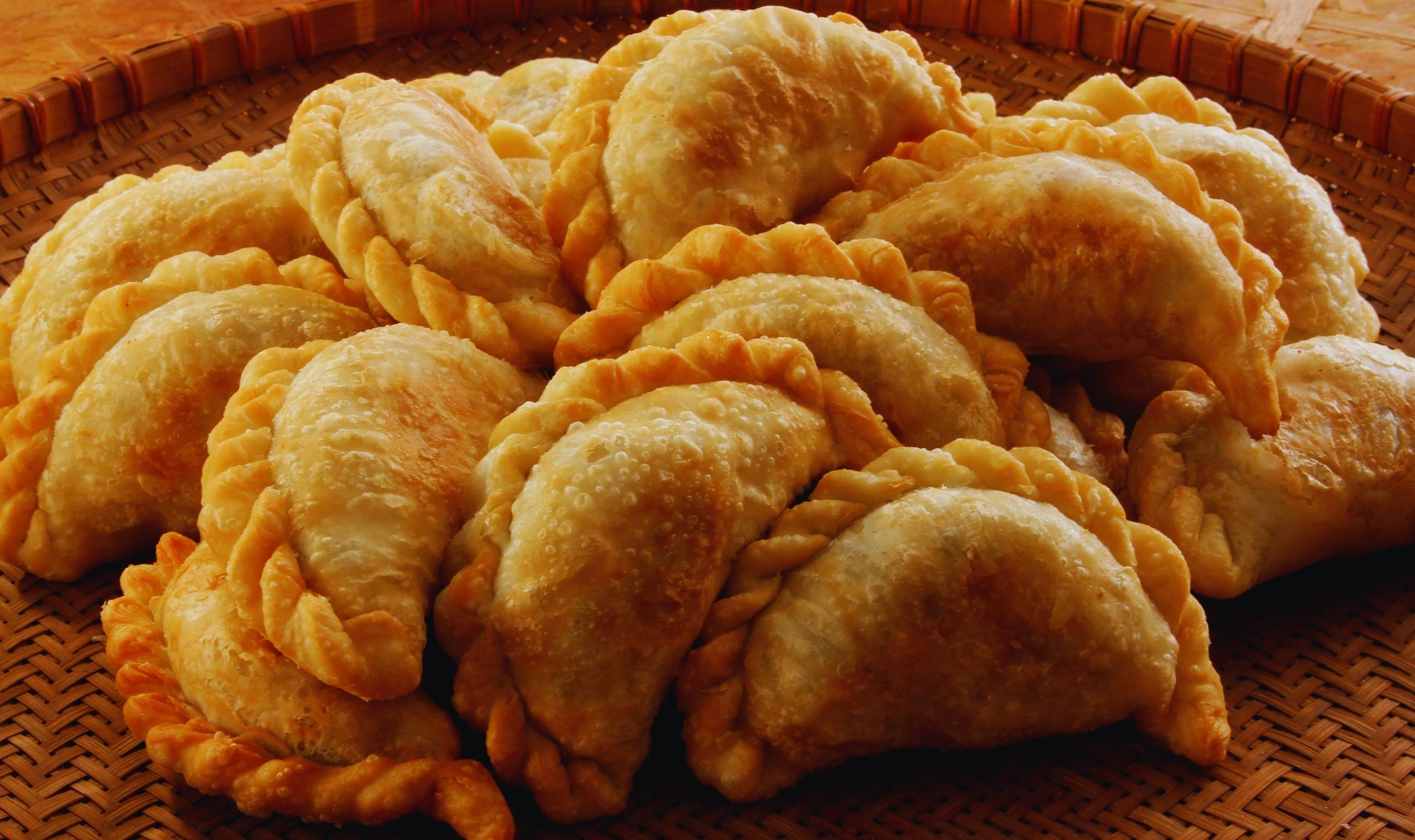
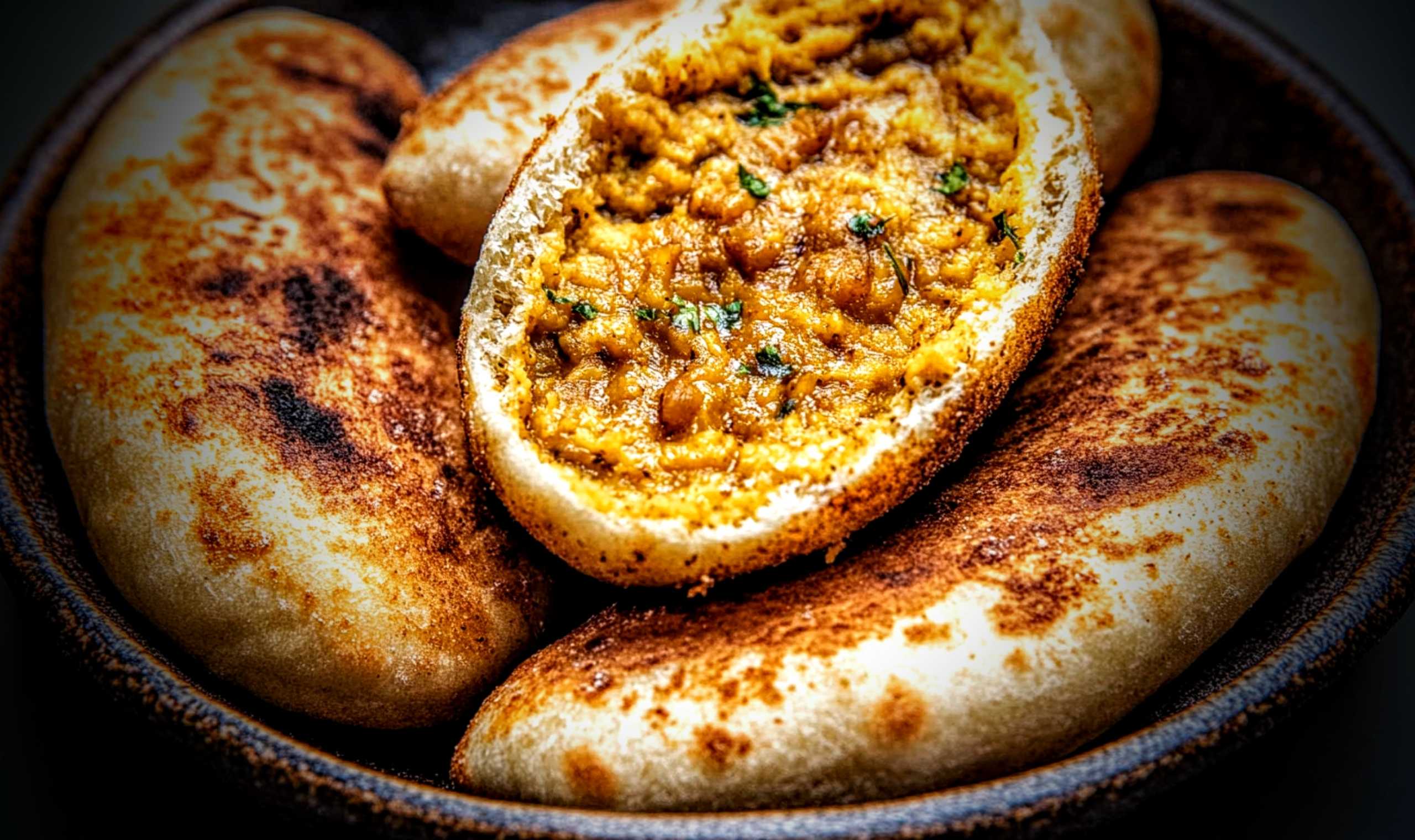
Empanada de atun has that disarming charm of a dish that looks modest yet carries the weight of entire coastlines behind it. It turns up at family tables across Spain, sits proudly in Galician bakeries, travels in picnic baskets, and comforts commuters on late trains when they realise dinner at home is no longer realistic. It doesn’t shout. It simply shows up, warm and golden, and fixes everything. The story behind it stretches far deeper than its deceptively simple appearance suggests.
The roots trace back to the northwest corner of Spain, where Galicia meets the Atlantic and locals have always understood the sea the way others understand language. Fishing villages relied on dishes that could travel, hold well, and feed many without fuss. Bread dough married with preserved or freshly cooked fish solved several problems at once. People needed hearty food for long days on boats or in the fields, and anything enclosed in dough stayed portable and protected. The format evolved into something recognisably similar to what we slice into today. Over centuries it moved beyond practicality and settled into tradition, celebration and kitchen bragging rights.
Empanadas came to Spain from older Iberian pasties and medieval pie practices, though they share vague family resemblance with hand pies across the Mediterranean. Galicia made it their own by leaning heavily on fish fillings, which made sense for a region where tuna was once salted, smoked or pickled to withstand unpredictable weather and storage conditions. When preserved tuna became more accessible in the 19th and 20th centuries thanks to canning, the dish mainstreamed across the country. City homes adopted it, bakeries turned it into daily stock, and eventually it became a household staple from Madrid to Málaga.
Regional varieties developed with a sense of local pride that borders on competitive sportsmanship. In Galicia, the dough tends to be bread‑based, fluffy rather than flaky, with a glossy top brushed in paprika‑tinted oil. The filling leans on slow‑cooked onions, peppers and tomato, simmered until the vegetables melt into something that tastes like patience. Move into Asturias and the dough might shift towards a slightly softer crumb, while some homes add smoked paprika to deepen the fragrance. Catalonia plays its own game with lighter crusts and more tomato‑forward sofritos. In the Canary Islands, where island cooking loves bold touches, notes of sweetness from peppers or local spices sometimes appear. Even within the same town, neighbours argue about whether raisins belong in the filling. They rarely agree, but the passion is respectable.
What makes empanada de atun special is its utter refusal to be complicated while being effortlessly impressive. It works cold, warm or at room temperature. It feeds a crowd with no warning. It sits quietly during celebrations yet somehow becomes the dish people discuss on the drive home. The contrast matters: the gentle chew of the dough, the richness of the tuna, the soft sweetness of onions that have had the kindness of a long cook. Then comes the unquantifiable comfort of a slice that fits perfectly in one hand, as if engineered for human convenience long before ergonomics became a thing.
The ingredients may seem simple, but they hide layers of technique. A good empanada starts long before the filling touches the dough. Onions cook low and slow until they surrender their edge and turn glossy. Peppers soften without collapsing. Tomato adds acidity and depth. Paprika seasons the oil that will later glaze the surface. Even the choice between fresh tuna, tinned tuna in olive oil or tuna preserved in escabeche influences the personality of the entire pie. Fresh tuna offers delicacy, but preserved tuna provides nostalgia and a richer, saltier backbone.
Pairing drinks with it becomes entertaining because its versatility encourages experimentation. A chilled Albariño from Rías Baixas pairs beautifully thanks to its acidity and maritime whisper. Crisp cider from Asturias adds tart freshness and a rustic note. Light beers work effortlessly, especially those that lean away from bitterness. For those who enjoy something slightly unconventional, a dry fino sherry brings out the savoury notes of the tuna and vegetables, turning a humble slice into something suspiciously sophisticated.
Other foods complement it in ways that turn a simple meal into a laid‑back feast. A fresh tomato salad drizzled with olive oil brightens the plate and resets the palate between bites. Roasted peppers, especially piquillos, echo the filling while adding a smoky layer. A wedge of soft cheese provides creaminess without overwhelming the flavours. The dish thrives alongside simplicity; it dislikes competing for attention.
Eating empanada de atun comes with its own unspoken health considerations. Tuna brings protein and omega‑3s, though tinned varieties may contain more salt than expected. The vegetables contribute fibre and vitamins, while olive oil adds richness without heaviness. The dough adds carbohydrates that keep you feeling content rather than stuffed. That said, slices tend to disappear rapidly, which suggests the main health risk involves overconfidence and portion miscalculation. Moderation is theoretically possible but rarely observed.
Finding a good one depends heavily on geography. In Galicia, bakeries display fresh trays from early morning, often still warm, and each village claims the best version. Madrid hosts countless bakeries where empanada sits between croquettes and tortilla as an everyday standard. Markets such as Mercado de San Miguel keep tourists satisfied, though locals know quieter neighbourhood shops often outperform the famous stalls. Across the UK, Spanish delis and tapas bars offer reliable versions, especially in London, Manchester and Edinburgh, where the Spanish food scene has grown steadily. Home cooks often outshine everyone else because they control every decision, from the dough thickness to the paprika level.
Empanada de Atun Recipe
A detailed recipe helps recreate the magic at home and keeps the tradition alive in your kitchen. Start with the dough. Mix strong white flour with warm water, a little yeast, olive oil and a pinch of salt. Bring it together gently until it forms a smooth, elastic ball. Let it rest under a cloth until it doubles. The dough should feel alive, bouncing back softly when pressed.
Meanwhile sort the filling. Heat olive oil in a pan and add finely sliced onions. Let them cook slowly until they soften and begin to caramelise. Add thin strips of red pepper and keep everything moving so the peppers soften without scorching. Stir in crushed tomatoes or a spoon of tomato purée loosened with water. Season with sweet paprika and a touch of smoked paprika if desired. Allow the mixture to cook until the liquid reduces and everything tastes cohesive. Add drained tuna, ideally broken into generous flakes rather than mashed. Let it cool completely before assembling.
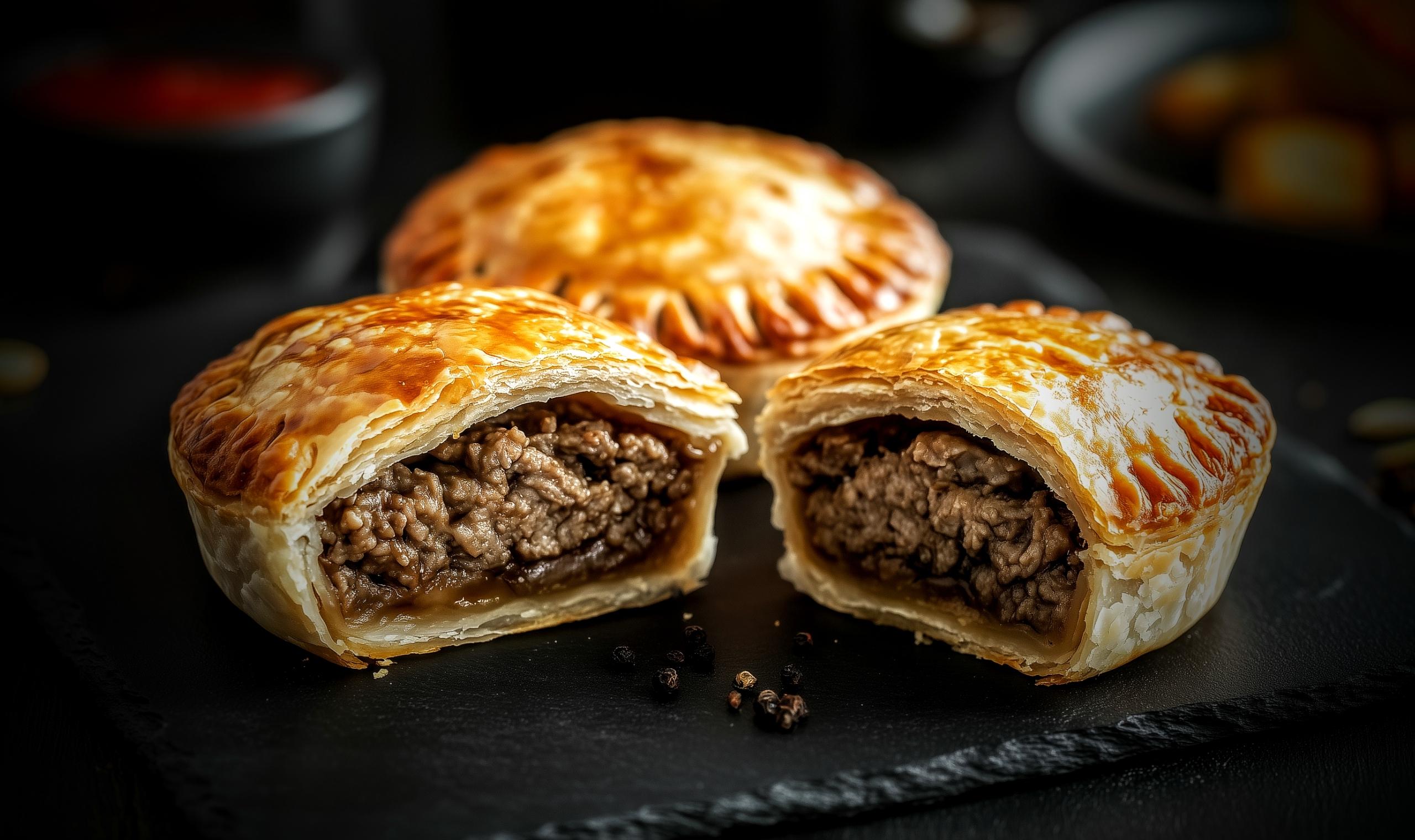
Divide the dough into two portions, one slightly larger for the base. Roll out the base until it forms a thin, even layer that fits a tray. Spread the filling, making sure it reaches the edges without overflowing. Roll the top layer and cover the filling. Seal by folding the edges together and pinching them gently.
Brush the surface with oil that has been tinted with paprika. Make a small steam hole in the top so the empanada bakes evenly. Slide it into a hot oven and bake until the crust turns deep golden and your kitchen smells like a holiday on the Atlantic coast.
Let it cool slightly before slicing. Warm slices feel indulgent, but room‑temperature slices often reveal even more flavour. Serve with chilled wine, good company and the sense that some traditions never need updating when they already work perfectly.