Schenkeli: Golden, Citrus-Scented and Addictive
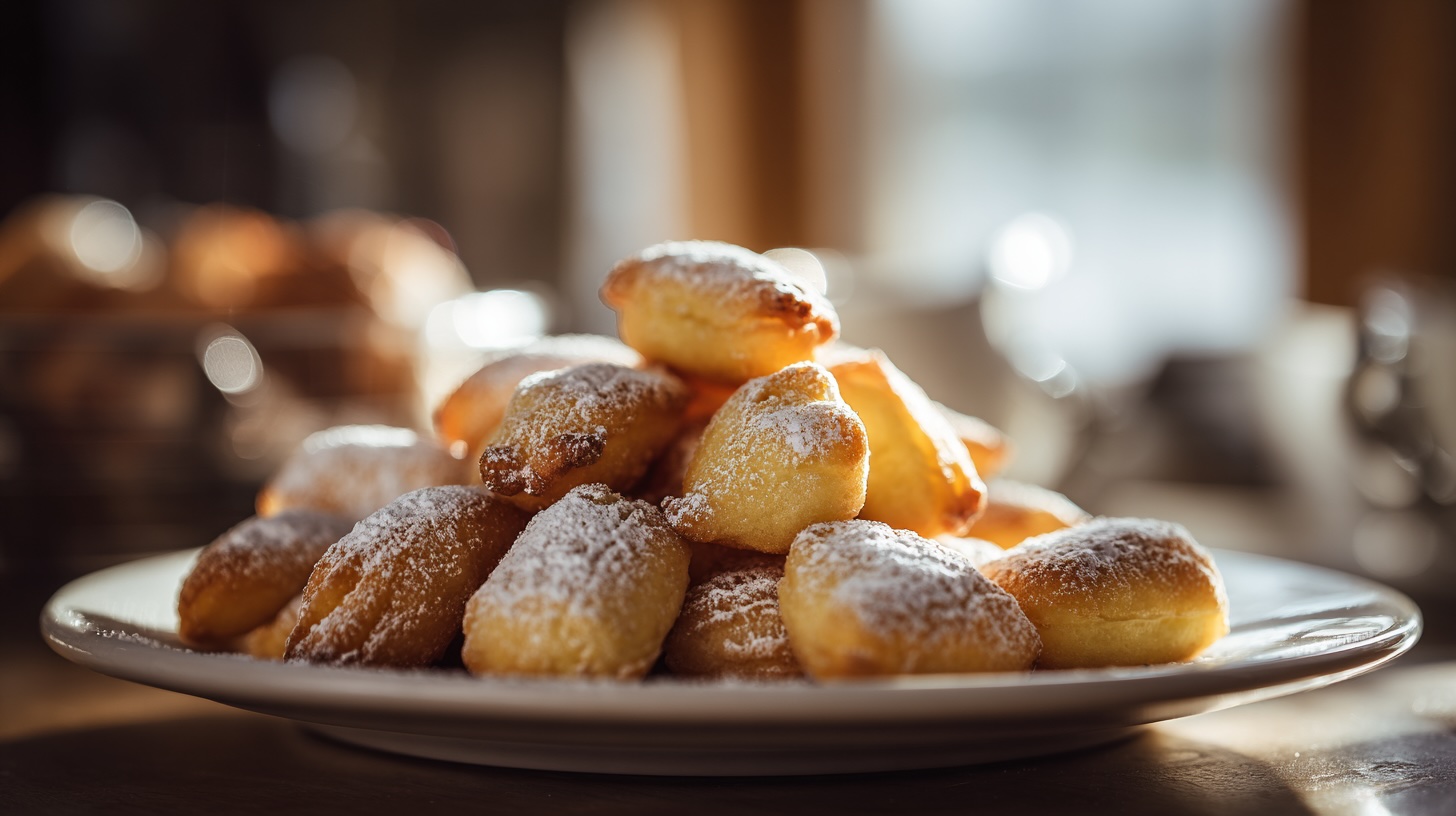
Schenkeli may sound like a small mythical creature that lives behind a Swiss chalet and steals leftover fondue, yet it’s actually one of the cosiest pastries to emerge from the Alpine imagination. These little golden batons of sweet fried dough have been turning up on Swiss tables for centuries, usually appearing around winter holidays with the sort of confidence only a deep-fried dessert can summon. The name itself comes from the idea of a little leg or shin, which is charming until you realise you’re happily eating a plateful of them without question.
The story goes back to rural Swiss homes where families needed something festive, sweet and sturdy enough to survive a cold kitchen. Flour, sugar, butter and a generous hand with the citrus zest were combined into a dough that was rolled into finger-length shapes and fried until crisp outside and softly cakey within. Home cooks swore by their own ratios, and you were either fiercely loyal to your grandmother’s Schenkeli or politely avoided everyone else’s. That’s how culinary loyalties work in Switzerland: quietly but very firmly.
They became especially associated with Fasnacht, the pre-Lenten carnival season when people embraced cheerful indulgence before the more restrained period that followed. The Swiss are good at moderation, but they are also very good at bending moderation slightly when a carnival mask and a plate of pastries are involved. Schenkeli made the perfect Carnival snack because you could hold one in your hand while chasing after a parade float or while hiding from overly enthusiastic brass bands.
Regional quirks developed over the centuries. In the Basel area, you might run into versions that are noticeably lighter, as though they’ve been training for the Alpine air. In Bern, some cooks swap in a hint of kirsch to add aromatic bravado. And in rural cantons, they’ve been known to make them bigger, bolder and occasionally capable of feeding a small militia. Fribourg families lean towards more lemon zest for brightness, while Zurich bakers have been caught adding a touch of vanilla to bring a whisper of sophistication to the mix. No two regions completely agree on the exact shape either. Some like them short and chunky, others prefer elegant thin cylinders. It’s a sort of national conversation conducted entirely in dough.
What makes them special has little to do with complexity. They’re humble, yes, but beautifully balanced. The outside is gently crisp without being brittle, and the inside remains soft, almost cake-like. The citrus lifts the dough just enough to keep it from feeling heavy, and the frying gives it that irresistible golden glow that practically begs to be eaten warm. There’s a subtle nostalgia baked into them as well. Many Swiss adults will admit — reluctantly, in a very composed Swiss manner — that Schenkeli were the highlight of childhood winter gatherings. You would sit by the window, the Alps brooding in the distance, your fingers covered in sugar and your heart full of improbable joy.
They pair surprisingly well with drinks. A cup of strong coffee is the safest option, especially if you’re having them in the morning and pretence must be maintained. Hot chocolate works beautifully, especially the thick kind that feels closer to a melted chocolate bar than a beverage. Tea is fine too, though herbal blends tend to be a bit too polite around fried pastry. For evening gatherings, a small glass of kirsch nods to the versions that include it in the dough. Mulled wine gives them a festive glow, particularly during winter markets when everything tastes better because you can see your breath.
They get along cheerfully with other foods. Fruit compotes are excellent companions, particularly apple or pear, which lend a bit of tartness to the richness. A dollop of whipped cream never hurts — though at that point you’ve moved into dessert territory and should fully commit. A drizzle of honey or a spoon of berry jam can transform them into something utterly impractical for breakfast yet impossible to resist. Some Swiss families even serve them with vanilla ice cream, which feels slightly rebellious but undeniably wonderful.
Health benefits, you ask? Well, they bring happiness, and that should count for something. They also offer energy, which is helpful when you’re trudging across winter pavements or politely chasing after runaway children during carnival celebrations. But let’s not pretend these are health foods. They are deep-fried, sweet and comforting in a way that absolutely ignores modern nutritional advice. Consider them an occasional delight — the kind of treat that fills the kitchen with warm, citrus-scented air and makes adults behave like children.
Finding authentic Schenkeli outside Switzerland can be a tiny adventure. Swiss bakeries, especially the ones run by families who refuse to compromise on tradition, usually offer them during festive seasons. Some specialise in them year-round, just to keep the faithful from restless wandering. Winter markets often have stalls selling freshly fried versions that practically glow under the string lights. In cosmopolitan cities, you might stumble upon Swiss cafés or Alpine-themed bakeries that include them in their seasonal menus. If all else fails, you can always make them at home — which is easier than it sounds and comes with the added benefit of filling your house with nostalgia you didn’t know you possessed.
Making Schenkeli at home is one of those quietly satisfying projects that combines minimal ingredients with maximal charm. The dough comes together quickly, and shaping it is oddly calming — a tiny meditation session disguised as pastry-making. Once fried, they cool just enough to be eaten without burning your fingers, though most people lose patience and take their chances.
Here’s a recipe that leans towards the classic approach while keeping things friendly for home kitchens.
Schenkeli Recipe
Soft butter and caster sugar are mixed together until the mixture looks pale and slightly smug. An egg joins the party, then another, and the whole thing relaxes into a glossy batter. Fresh lemon zest brings its lively brightness, and a dash of vanilla adds a whisper of warmth. Flour folds in gently, transforming the mixture into a dough that’s soft but not sticky. Once it rests briefly — a short nap to gather its composure — it’s rolled into long ropes and cut into small finger-length pieces.
A pot of neutral oil heats on the hob until a small scrap of dough sizzles agreeably. The Schenkeli go in, not too many at once, because crowding is never the answer in life or frying. They puff slightly, turning a lovely shade of gold, and a faint scent of citrus fills the kitchen. They come out onto paper towels to drain, looking plump and pleased with themselves. A light dusting of icing sugar gives them the final Alpine flourish.
Ingredients
unsalted butter, 80g, softened
caster sugar, 120g
eggs, 2
lemon zest from one unwaxed lemon
vanilla extract, a tiny splash
plain flour, about 250g, enough to form a workable dough
baking powder, half a teaspoon
a pinch of salt
neutral frying oil
icing sugar for dusting
Method
Cream the butter and sugar together until they’re pale and fluffy. Add the eggs one at a time and mix until smooth. Bring in the lemon zest and vanilla. Sift together the flour, baking powder and salt, then fold them into the mixture. You’re aiming for a soft dough that doesn’t cling desperately to your hands. Let it rest for a short while.
Roll the dough into thin ropes on a lightly floured surface. Cut into small pieces roughly the length of a relaxed finger. Warm your oil to a moderate frying temperature and lower the pieces in carefully. Fry until golden, flipping as needed. Lay them on paper towels and dust with icing sugar while they’re still warm enough to hold onto it.
Serve them with coffee, hot chocolate or anything else that promises comfort. They keep for a day or two in an airtight tin, though in reality they rarely make it that far. They have a way of vanishing quietly, as if Alpine spirits have come to claim their share.