Cuca de Banana: A Crumb-Topped Classic from Southern Brazil
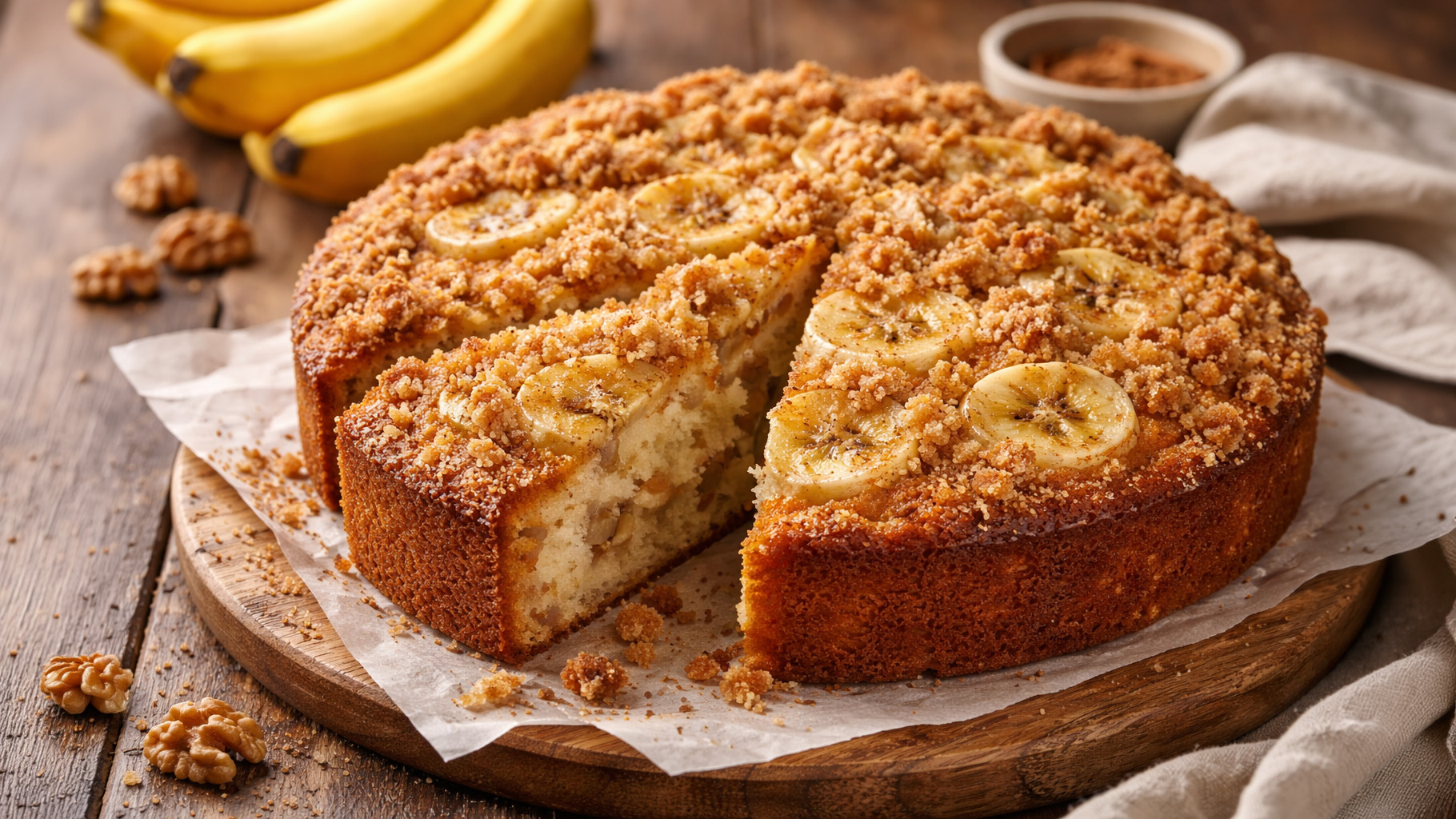
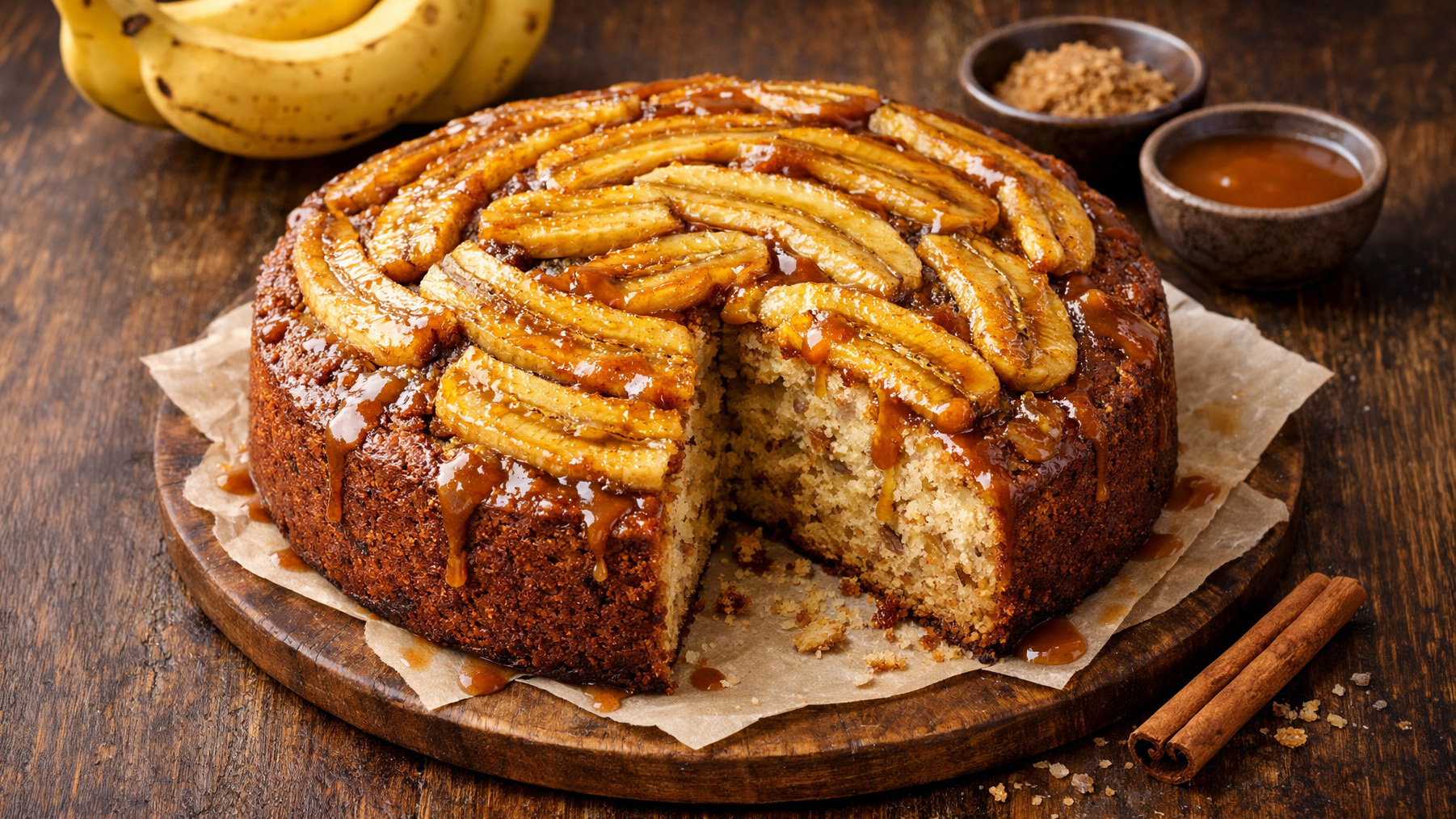
There is something quietly theatrical about a tray of cuca de banana emerging from the oven. It is not dramatic in the soufflé sense, nothing that threatens collapse or applause. Instead, it offers a slow reveal of caramelised fruit and buttery crumbs. As a result, the aroma drifts through the house and draws people in without permission. Consequently, someone always appears in the kitchen claiming vague intentions.
Cuca itself carries an unexpected backstory. The name and method trace back to German immigrants in southern Brazil during the nineteenth century. In regions such as Rio Grande do Sul and Santa Catarina, they baked streuselkuchen with disciplined regularity. However, Brazil rarely leaves recipes untouched. Gradually, tropical ingredients replaced European ones, and the cake shifted character. Therefore, bananas took centre stage, and sweetness leaned towards caramel depth.
Bananas, naturally, drive the entire experience. Brazil grows a wide range, from intensely sweet small varieties to larger cooking types. In cuca de banana, ripeness becomes essential rather than optional. In fact, the fruit should look slightly past its prime. As it bakes, the banana softens and melts into the batter. Consequently, it creates a sticky layer that sits between sponge and crumble.
Regional variations keep the bake lively. In some kitchens, the base resembles bread and even uses yeast. Elsewhere, it becomes a quick sponge, lighter and faster to prepare. Meanwhile, spices such as cinnamon or nutmeg appear depending on preference. In addition, coconut or raisins sometimes join the mix. Occasionally, condensed milk enters the scene, usually without apology.
What makes cuca de banana particularly appealing is its practicality. It rescues overripe fruit and transforms it into something far more desirable. At the same time, it avoids unnecessary complexity. The bake sits between cake and pudding, which makes it flexible. Therefore, it works at breakfast, during afternoon coffee, or late at night. Moreover, it rarely demands elegant presentation. Slight unevenness actually improves its charm.
Pairing it with drinks remains refreshingly simple. Coffee stands as the obvious companion. A strong Brazilian-style brew balances the sweetness effectively. However, black tea also performs well, especially those with malty notes. For a colder option, milk softens the richness. Meanwhile, a lightly chilled dessert wine adds contrast. If the mood allows, a small glass of aged rum enhances the caramel tones.
Serving options follow a similar philosophy. Whipped cream introduces lightness and contrast. Alternatively, vanilla ice cream leans into indulgence. On warmer days, fresh fruit can bring balance. Nevertheless, many people prefer it entirely on its own. That approach arguably respects the cake’s original intention.
There are a few health considerations worth noting. Bananas provide potassium, fibre, and natural sugars. However, butter and sugar appear in generous quantities. As a result, moderation becomes useful rather than optional. Still, compared to highly processed desserts, cuca feels relatively straightforward. Therefore, it carries a modest sense of wholesomeness.
Finding cuca de banana outside Brazil can be unpredictable. Brazilian bakeries sometimes offer it, particularly in larger cities. In the UK, it remains less common. Consequently, making it at home becomes the sensible option. The ingredients are accessible, and the method remains forgiving. As a result, success arrives quickly without much drama.
Cuca de Banana Recipe
Ingredients
For the base:
2–3 ripe bananas, sliced
2 eggs
150g sugar
120ml milk
80g melted butter
1 teaspoon vanilla extract
200g plain flour
1 teaspoon baking powder
A pinch of salt
For the crumble topping:
100g plain flour
80g sugar
60g cold butter, cubed
Optional: 1 teaspoon cinnamon
Method
Preheat the oven to 180°C and grease a baking dish lightly. Arrange the sliced bananas across the base in a single layer. Some overlap is inevitable, and that is perfectly acceptable.
Whisk the eggs and sugar until pale and slightly thickened. Then stir in the milk, melted butter, and vanilla extract. In a separate bowl, combine flour, baking powder, and salt. Gradually fold the dry ingredients into the wet mixture until just combined.
Pour the batter over the bananas and spread gently. This helps keep the fruit in place rather than drifting upward.
Rub the butter into the flour and sugar for the crumble topping. Use your fingertips until coarse crumbs form. If desired, add cinnamon at this stage. Scatter the crumble generously over the batter.
Bake for 35 to 40 minutes until golden and set in the centre. Allow it to cool slightly before serving. However, patience at this stage is rarely strong.
Serve warm or at room temperature. Ideally, pair it with coffee and the quiet satisfaction of rescuing those bananas just in time.