Chico Balanceado Recipe: Brazilian, Glorious, and Completely Over the Top
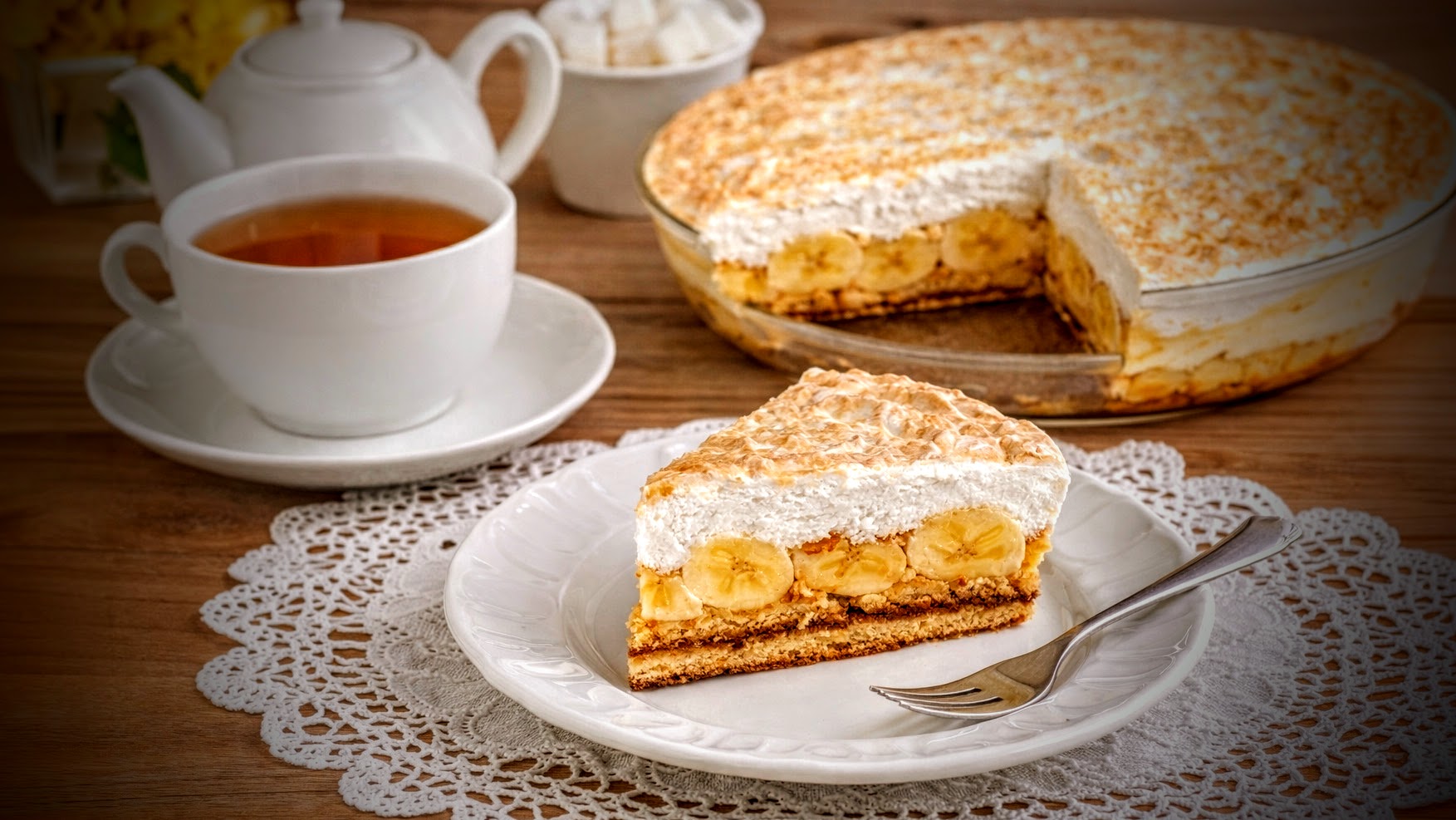
Some desserts try to charm you politely. Chico Balanceado recipe seekers quickly realise this one does not bother with restraint. Chico Balanceado does not bother with restraint. It arrives with caramelised banana at the bottom, silky custard in the middle, and a cloud of toasted meringue on top, as if someone looked at a bowl of comfort and thought, this is pleasant, but it could use more drama. The result is rich, soft, burnished, sweet, and faintly theatrical. In other words, exactly the sort of pudding that makes moderation seem like a rather unnecessary personal philosophy.
Chico Balanceado recipe variations exist across Brazil, yet the dessert remains oddly underappreciated abroad. Plenty of people know brigadeiro, pão de queijo, or pudim. Meanwhile this splendid banana creation has been sitting there, layered and smug, waiting for the rest of the world to catch up. That feels unfair, because it tells a bigger story than first appears: a story about Brazil’s love of bananas, its affection for egg-based sweets shaped by Portuguese influence, and its tendency to turn humble ingredients into something a bit unforgettable.
Like many beloved dishes, Chico Balanceado comes with a slightly fuzzy origin story, which usually means it has entered the glorious territory of culinary folklore. One version links it to Manezinho Araújo, a Pernambucan artist and restaurateur active in Rio de Janeiro in the 1930s, and some sources even connect one of the dessert’s alternative names to him. What seems more certain is the dessert itself: a Brazilian classic built from banana, caramel, pastry cream, and toasted meringue, known in different places by names such as merengue de banana, banana na travessa, gato de botas, and manezinho araújo. That alone tells you something important. A dessert does not collect regional aliases unless it has travelled, settled in, and made itself quite comfortable at the family table. (app.ckbk.com)
Its roots also make sense within the wider history of Brazilian sweets. Brazil’s dessert culture grew out of a long meeting between local fruit abundance and Portuguese convent-style traditions that prized eggs, sugar, and custard. Bananas were available, adaptable, and deeply woven into everyday cooking, while sugar became central to the colonial and post-colonial sweet kitchen. So Chico Balanceado feels almost inevitable in retrospect. Put a country with excellent bananas together with a serious affection for creamy, eggy desserts and scorched sweetness, and sooner or later someone is going to build a layered banana pudding that seems determined to ruin ordinary trifles for everyone. (aventuradobrasil.com)
Part of the charm is its regional looseness. In southern Brazil, the dessert is especially well known, yet as it travels through the country the name and presentation can shift. Some versions lean more heavily into the banana layer, letting it become dark and jammy in caramel. Others keep the custard especially generous, turning the middle into a creamy cushion between fruit and meringue. In some homes the meringue is flamboyantly torched or oven-browned until the top looks like a small edible sunset. Elsewhere it is softer and paler, more nursery comfort than showpiece. That flexibility is not a flaw. It is exactly how a living dessert behaves when generations of cooks adopt it and quietly decide that their grandmother’s version is, naturally, the correct one.
What makes Chico Balanceado special is not merely that it has three layers. Plenty of desserts manage that. The real trick is contrast. The banana brings warmth, fragrance, and a faint tropical laziness, but caramel gives it depth and a touch of bitterness. Then comes the custard, which softens everything and adds that old-school pudding-shop reassurance. Finally the meringue rises above the whole business, airy but toasted, sweet but lightly smoky. You get softness, stickiness, creaminess, and a little chew from the browned top in the same spoonful. It tastes at once homely and excessive, which is a combination desserts should pursue more often.
It also has the rare virtue of making bananas feel glamorous. Bananas are useful, democratic, and generally too familiar to inspire awe. They spend much of their lives being sliced into porridge, shoved into lunch boxes, or left on kitchen counters to develop guilt-inducing freckles. Chico Balanceado takes that most ordinary fruit and gives it a proper stage career. Suddenly the banana is not practical. It is caramelised, perfumed, and reclining beneath custard like a star who knows exactly how the lighting works.
If you are wondering what to drink with it, coffee is the obvious answer and still the best one. A small, strong Brazilian-style coffee cuts through the sweetness beautifully and keeps the whole experience from drifting into a sugar fog. Yet dessert wines can work too, especially late-harvest styles with enough acidity to stop things turning syrupy. A glass of chilled sparkling wine is another excellent move because the bubbles lift the richness and make the meringue feel even lighter. For a non-alcoholic option, black tea or even a lightly bitter mate can balance the sweetness nicely. Cold milk, admittedly, works as well, but it does make the whole occasion feel like a very luxurious return to childhood.
Food pairings should stay fairly simple because Chico Balanceado likes attention. Fresh berries can add a welcome tart contrast if served alongside, although they are not traditional. A spoonful of crème fraîche also works if you want to tone down the sweetness without vandalising the dessert itself. If the pudding appears at the end of a larger meal, lighter savoury dishes beforehand are the clever choice. Grilled meats, roast chicken, or a bright salad make more sense than anything already creamy or heavy. This is not a dessert that appreciates competing traffic.
As for health, let us be grown-ups about it. Chico Balanceado contains fruit, eggs, milk, and sugar, but nobody should pretend it is a wellness strategy in a dish. Bananas do bring potassium and some fibre, and eggs and milk contribute protein and fat, which is more than can be said for some purely sugary puddings. Still, this is a celebratory dessert, not a moral improvement plan. It is rich in sugar and fairly indulgent, so portion size matters if that is something you care about. Then again, desserts like this were never designed to be eaten with nutritional anxiety hovering nearby like an overzealous accountant. They are meant to be shared, enjoyed, and perhaps followed by a walk and a complete refusal to discuss macros.
Finding a proper Chico Balanceado recipe outside Brazil can be a little hit and miss, which only adds to its mystique. In Brazil, you may come across it in home kitchens, traditional restaurants, bakeries, and lunch spots serving classic comfort food, particularly in the South and Southeast. Beyond Brazil, it is less common, though Brazilian restaurants and home bakers sometimes feature it under its own name or simply as a layered banana meringue dessert. Frankly, the safest route is to make it yourself. The ingredients are straightforward, the assembly is forgiving, and the final result looks as though you spent far longer on it than you probably did. That is the sort of kitchen dishonesty one should encourage.
Chico Balanceado Recipe
The method is wonderfully old-fashioned. You build it in layers: caramelised bananas at the base, a thick custard over the top, and finally a generous cap of meringue browned until lightly toasted. It is forgiving, slightly theatrical, and designed to look better than the effort you put in.
For a reliable Chico Balanceado recipe at home, start with about six ripe but still firm bananas,
200 grams of sugar for the caramel,
500 millilitres of whole milk,
three egg yolks, three egg whites,
100 grams of sugar for the custard,
two tablespoons of cornflour,
a teaspoon of vanilla,
and another 100 grams of sugar for the meringue.
Melt the 200 grams of sugar in a saucepan until amber, pour it into a buttered baking dish, and arrange the bananas over it. In another pan whisk the milk, yolks, 100 grams of sugar, cornflour, and vanilla, then cook gently until thick. Spread that over the bananas. Beat the egg whites to soft peaks, add the remaining 100 grams of sugar gradually, and whisk until glossy and firm. Spoon the meringue over the custard, making plenty of ridges so the top browns attractively. Bake at 180°C for around 15 minutes, or until the peaks are golden, then cool slightly before serving.
Eat it warm if you like a softer, pudding-like effect, or chilled if you want the layers to settle into neat slices. Either way, Chico Balanceado has done its job. It has taken the banana, that model citizen of the fruit bowl, and turned it into a rather splendid show-off.
Post Comment