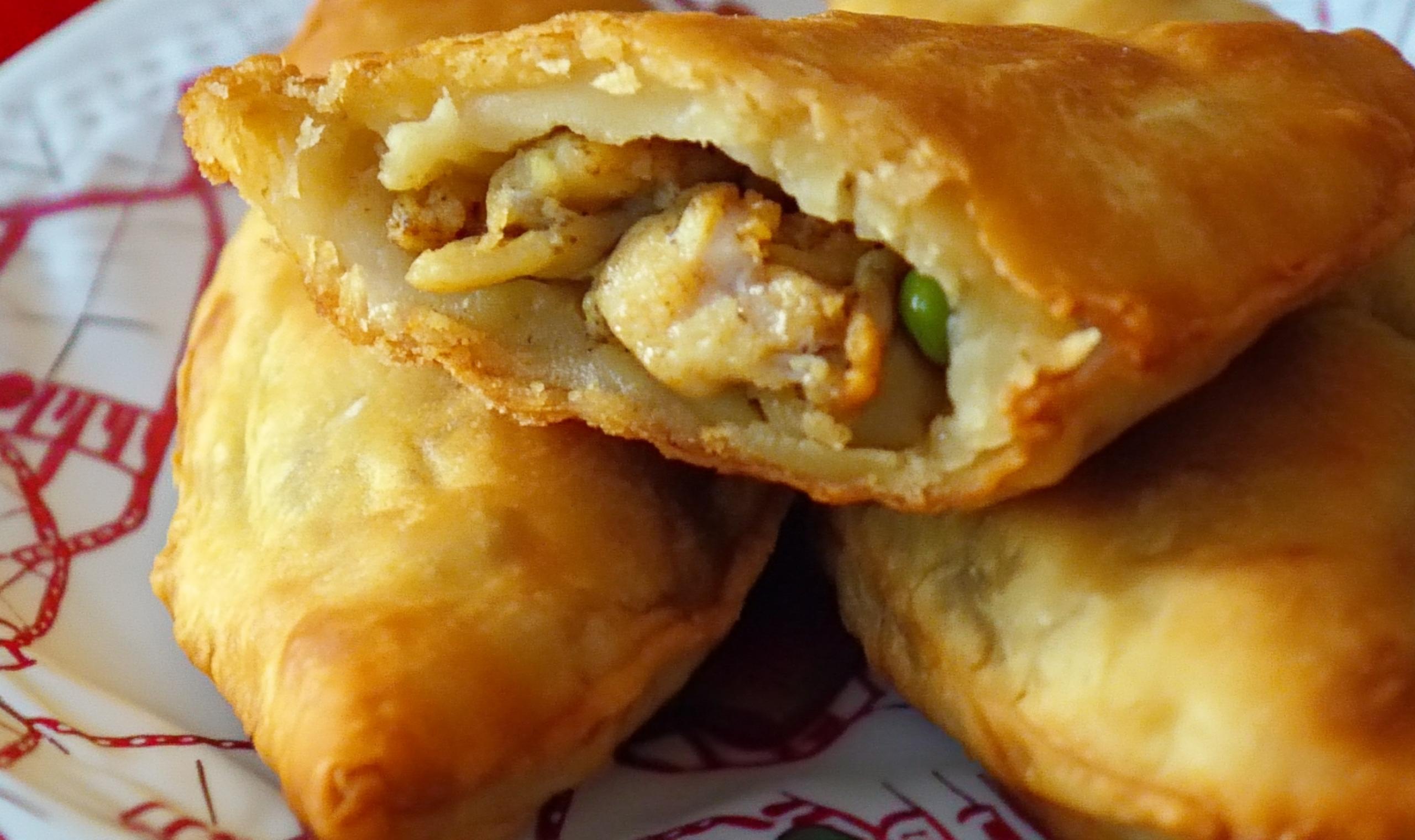
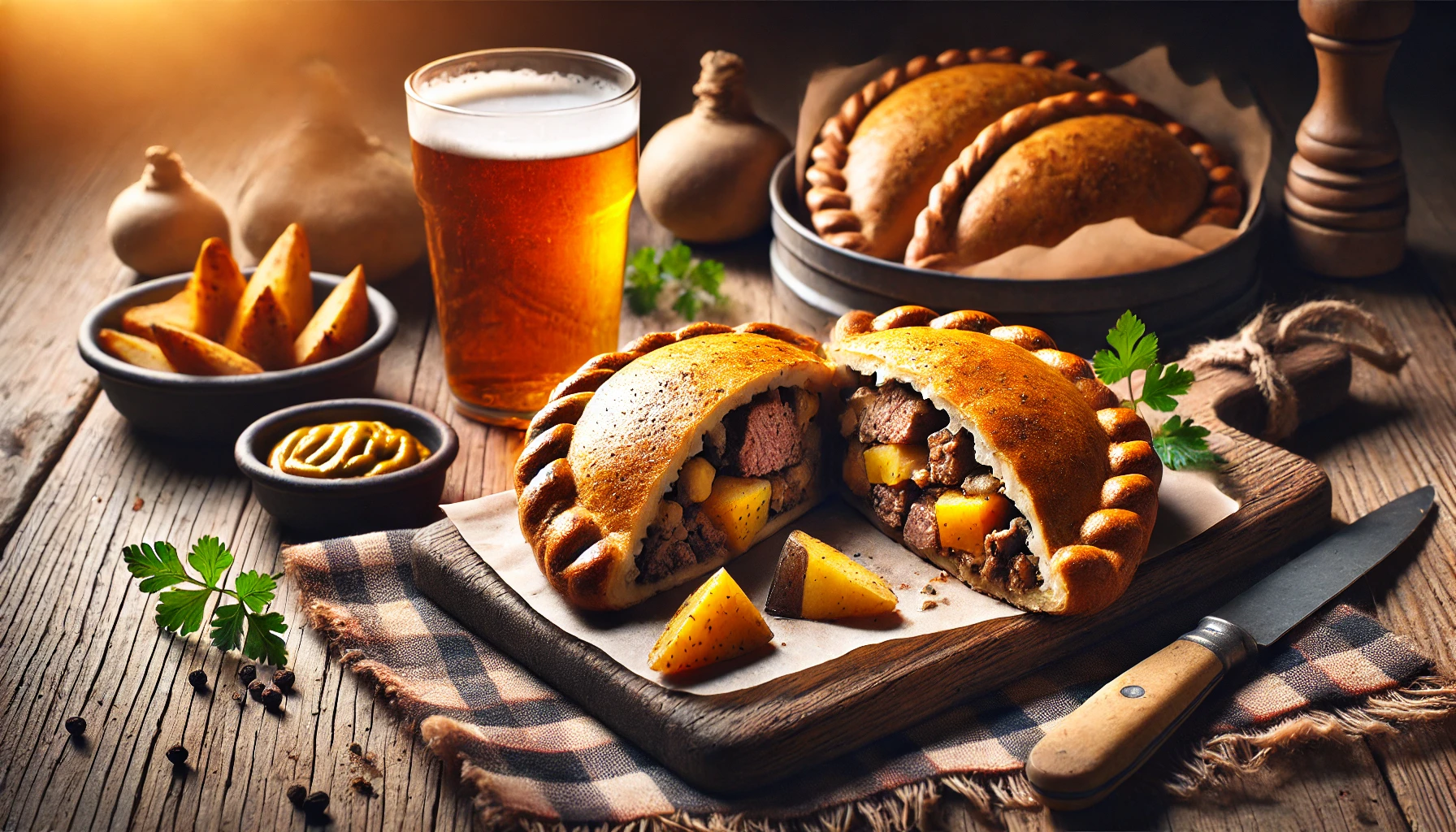
Adobo Pie: The Delicious Reinvention of a Filipino Classic
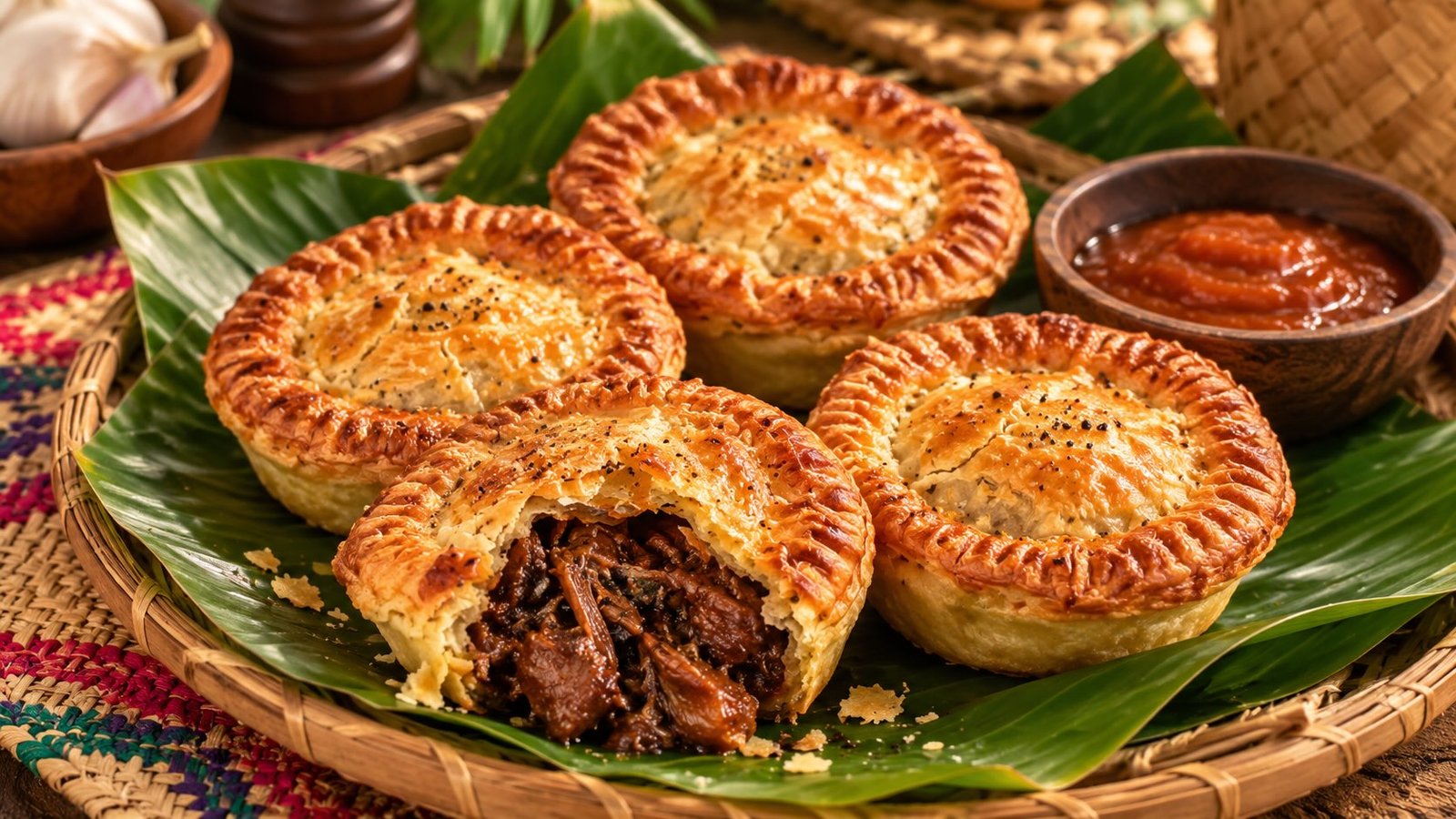
Filipinos have a remarkable talent for taking perfectly good food and finding ways to make it even more comforting. Consider adobo, the country’s much-loved dish of tender meat simmered in vinegar, soy sauce, garlic and spices. Now imagine that savoury goodness tucked inside golden, flaky pastry. Meet Filipino adobo pie, a delicious meeting of traditional flavours and modern baking.
The result is rather irresistible. Beneath the crisp pastry lies juicy chicken coated in a rich, tangy sauce, with just enough sweetness to keep things interesting. It is familiar enough to please pie lovers, yet distinctive enough to remind everyone that Filipino cooking rarely does anything by halves.
The story begins long before anyone thought of putting adobo inside pastry. Before Spanish colonisation in the sixteenth century, communities across the Philippine islands already used vinegar and salt to prepare and preserve food. In a tropical climate, this was practical cooking rather than culinary fashion. Garlic, pepper and other aromatics added flavour, while acidic ingredients helped slow spoilage.
Spanish colonisers subsequently applied the name adobo, derived from adobar, meaning to marinate or season. However, the dish itself has deeper local roots. Chinese trading influences also contributed soy sauce, which eventually became central to many versions. Thus, the familiar dark, glossy adobo represents centuries of cultural exchange.
Traditional adobo comes in countless forms. Adobong manok features chicken, while adobong baboy uses pork. Adobong puti skips soy sauce, producing a lighter, vinegar-forward dish. Meanwhile, cooks in the Bicol region sometimes add coconut milk, creating a wonderfully creamy variation. Elsewhere, turmeric or annatto contributes colour and another dimension of flavour.
Adobo pie is a more recent culinary adaptation, rather than a centuries-old regional speciality. It belongs to the broader Filipino enthusiasm for savoury pastries, handheld snacks and inventive comfort food. Filipino bakeries have long embraced filled breads and pies, often combining local flavours with international baking traditions. Putting adobo into pastry therefore seems almost inevitable.
What makes this pie special is its balance of textures and flavours. The pastry supplies buttery crispness, while the filling delivers garlic, saltiness and vinegar’s characteristic sharpness. Unlike conventional British chicken pies, adobo pie needs no heavy cream sauce. Instead, the reduced cooking liquid coats the meat, producing a concentrated filling without making the pastry soggy.
Chicken remains an excellent choice because it shreds easily and absorbs the sauce beautifully. Pork works equally well, especially when slow-cooked until tender. Some modern interpretations include mushrooms, potatoes or cheese. However, excessive additions can overwhelm the distinctive adobo flavour.
As for accompaniments, a crisp cucumber salad with lime makes an excellent partner. Pickled vegetables also complement the savoury filling, although the pie already contains considerable acidity. For something more substantial, try a fresh tomato salad or lightly dressed cabbage slaw. Serving an adobo pie alongside rice is possible, but perhaps unnecessarily enthusiastic about carbohydrates.
Drinks deserve some consideration, too. A cold lager balances the garlic and vinegar, while a dry Riesling offers refreshing acidity. For a non-alcoholic option, calamansi juice provides an unmistakably Filipino touch. Iced tea with lemon works nicely as well, particularly on a warm afternoon.
Nutritionally, chicken adobo pie provides protein, while garlic contributes small amounts of beneficial plant compounds. Nevertheless, pastry introduces saturated fat and additional calories, depending on its ingredients. Soy sauce can also make the filling relatively high in sodium. Using lean chicken, moderate quantities of sauce and smaller pastry portions creates a lighter version.
Ultimately, adobo pie celebrates something Filipino cuisine understands exceptionally well: good food need not stand still. Traditional flavours can find new homes without losing their identity. And frankly, wrapping delicious leftovers in buttery pastry sounds like a remarkably sensible culinary philosophy.
Recipe: Filipino Chicken Adobo Pies
1 hour 20 minutes
Makes 6 pies
These individual pies use ready-made puff pastry for convenience. The secret is reducing the adobo sauce until almost sticky, then cooling the filling before assembling.
Ingredients
- 500g boneless, skinless chicken thighs
- 2 sheets ready-rolled puff pastry, approximately 320g each
- 4 garlic cloves, finely chopped
- 1 small onion, finely diced
- 60ml soy sauce
- 60ml cane vinegar or cider vinegar
- 100ml water
- 2 bay leaves
- ½ teaspoon freshly ground black pepper
- 1 tablespoon brown sugar, optional
- 1 tablespoon vegetable oil
- 1 teaspoon cornflour mixed with 1 tablespoon cold water, if needed
- 1 egg, beaten, for glazing
Method
Heat the vegetable oil in a frying pan over medium heat. Add the onion and cook for three minutes, then stir in the garlic. Cook briefly until fragrant.
Add the chicken and brown lightly on both sides. Pour in the soy sauce, vinegar and water. Add the bay leaves, black pepper and brown sugar, if using. Bring to a gentle simmer.
Cover and cook for approximately 20–25 minutes, until the chicken is thoroughly cooked and tender. Remove the chicken, shred it with two forks and discard the bay leaves.
Return the shredded chicken to the pan. Simmer uncovered until the liquid reduces to a thick coating. If necessary, stir in the cornflour mixture and cook briefly. The filling should be moist but not runny. Leave to cool completely.
Preheat the oven to 200°C (180°C fan). Line a baking tray with parchment.
Cut each pastry sheet into six equal rectangles. Place a generous spoonful of filling onto six rectangles, leaving a border around the edges. Cover with the remaining pastry pieces.
Press the edges together with a fork to seal. Make a small slit in each pie to release steam, then brush the tops with beaten egg.
Bake for 22–28 minutes until the pastry is puffed, deeply golden and crisp. Allow the pies to rest for five minutes before serving.
The finished pies should have delicate, flaky layers surrounding a rich, glossy chicken filling. Serve warm with cucumber salad and a squeeze of calamansi or lime.
And should any survive until tomorrow, they make an excellent lunch. That, admittedly, is a rather optimistic assumption.